2026 bjch center
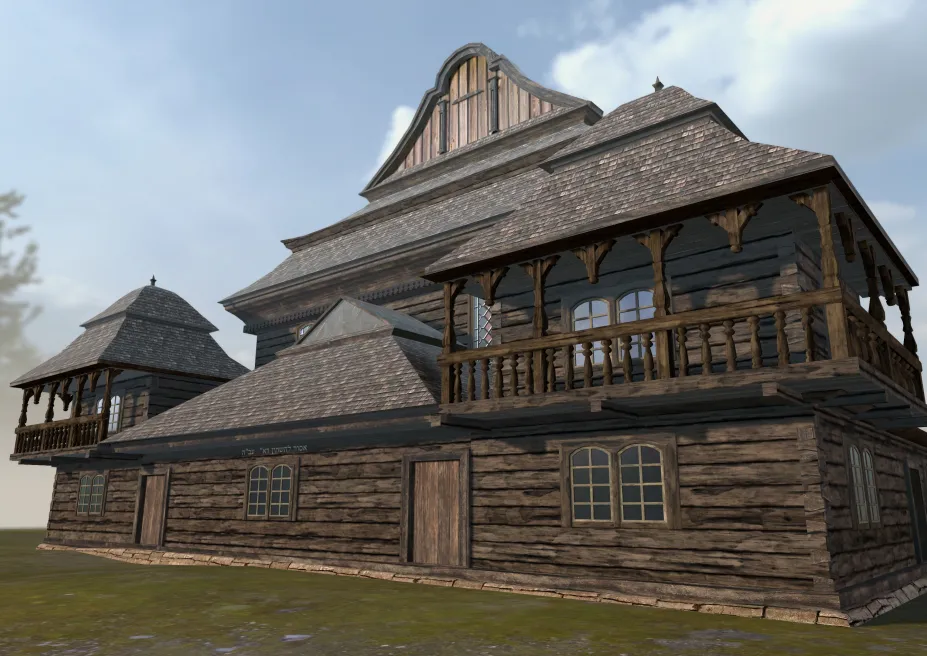
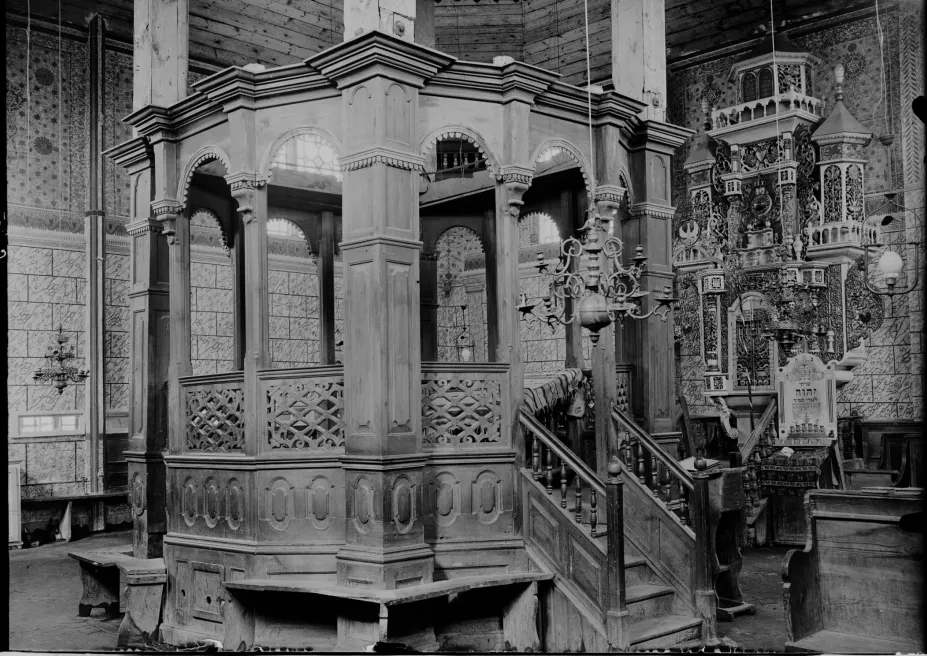
The Wolpa Great Synagogue is considered one of the most beautiful wooden synagogues ever built. For more than two centuries, it stood at the heart of Jewish life in Wolpa. It was completely destroyed during World War II.
A LOST MASTERWORK, RECONSTRUCTED IN VIRTUAL SPACE


wolpa
Wolpa, now a village in present-day Belarus, was once a thriving shtetl with a vibrant Jewish community. First documented in the 15th century as part of the Grand Duchy of Lithuania, its political and territorial status changed over time as it became part of the Polish-Lithuanian Commonwealth, the Russian Empire, interwar Poland, and later the Byelorussian Soviet Socialist Republic.
The Great Synagogue is believed to have been constructed in Wolpa in the first half of the 18th century. Renowned for its distinctive architecture and intricate handcrafted decoration, it became a model for a number of wooden synagogues. It was deliberately burned by Nazi forces during the German occupation.
Image
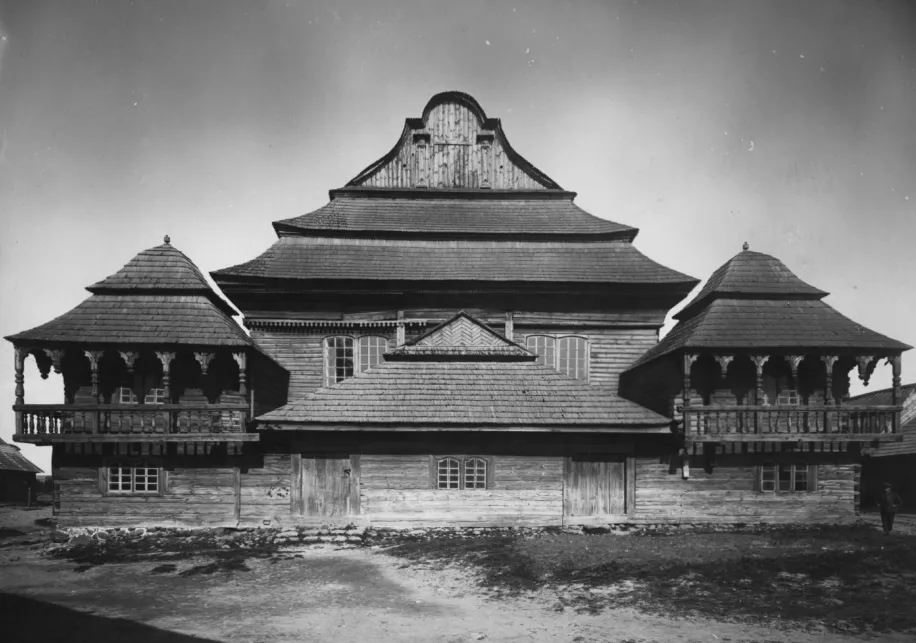
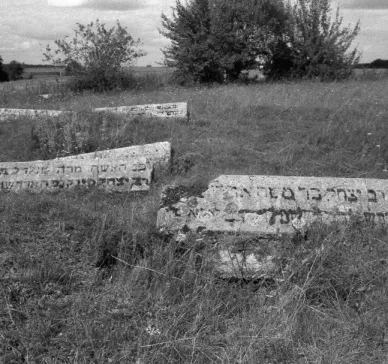
Wolpa synagogue, 1921-1939
Institute of Art, Polish Academy of Science
vr reconstruction
Wolpa synagogue, 1921-1939
Institute of Art, Polish Academy of Science
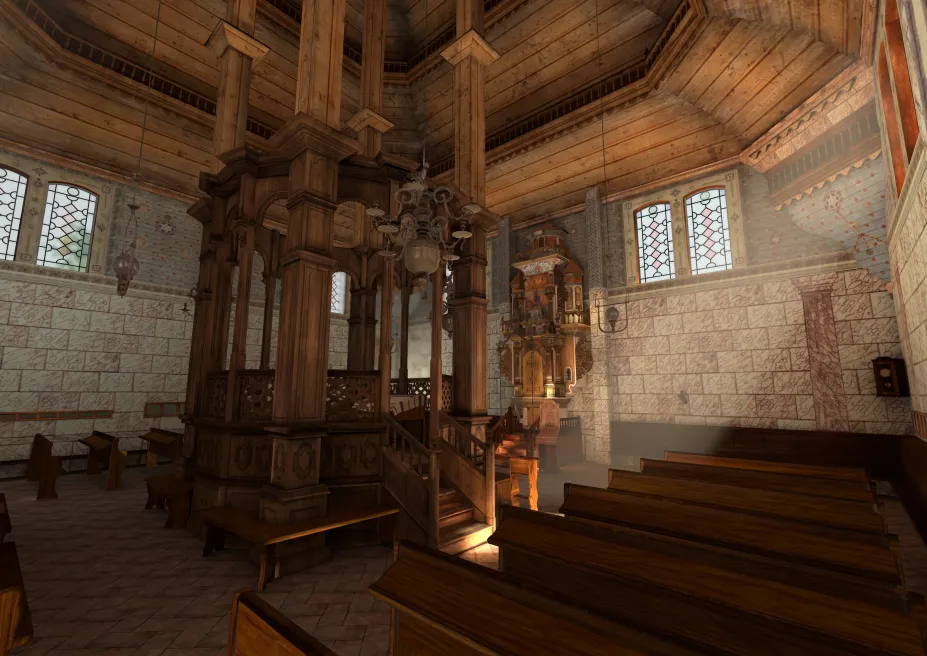
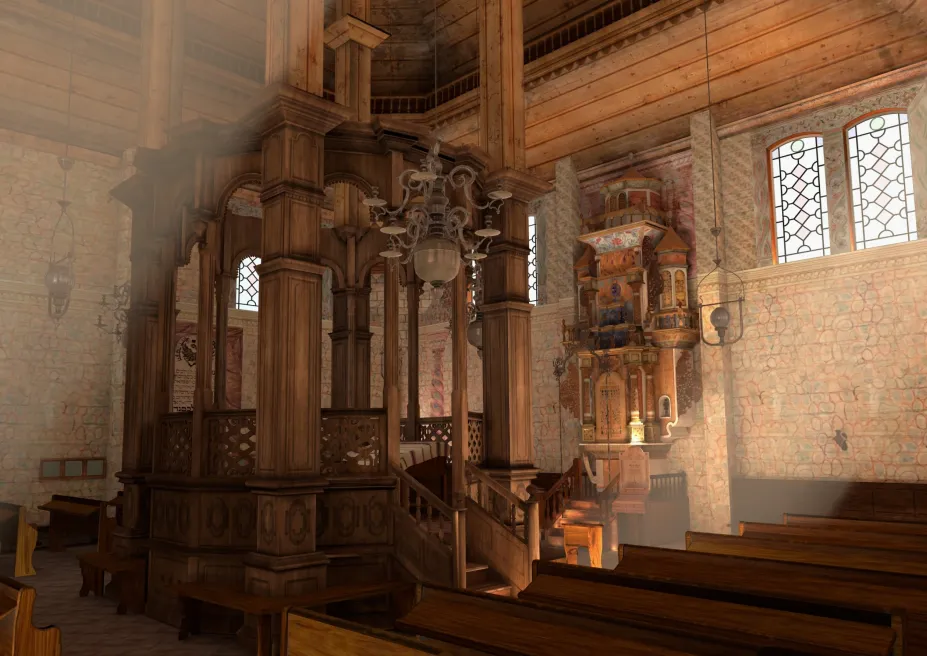
VR reconstruction of the Wolpa Great Synagogue
Belarusian-Jewish Cultural Heritage Center
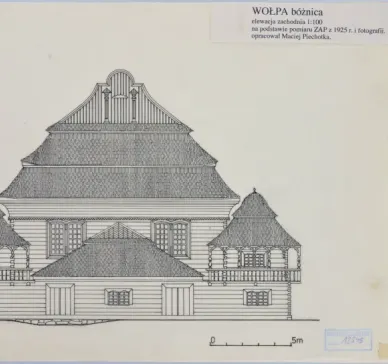
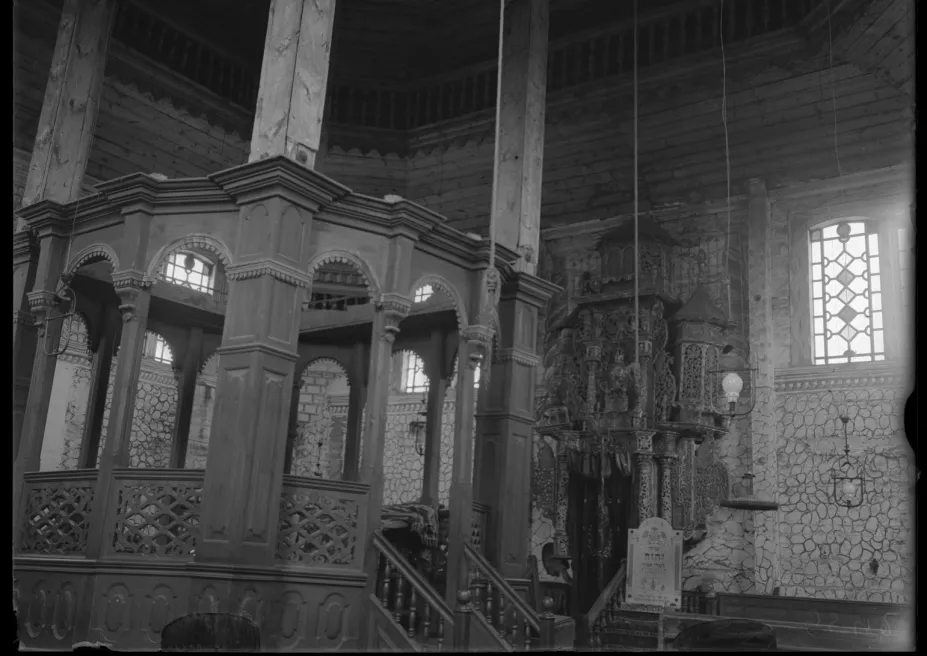
Fortunately, photographs, sketches, and research of several generations of scholars have survived. Drawing on these sources, a team of curators, historians, restoration artists, and digital specialists meticulously recreated the spectacular Wolpa synagogue in a virtual space, with its rich paintings and architectural details.
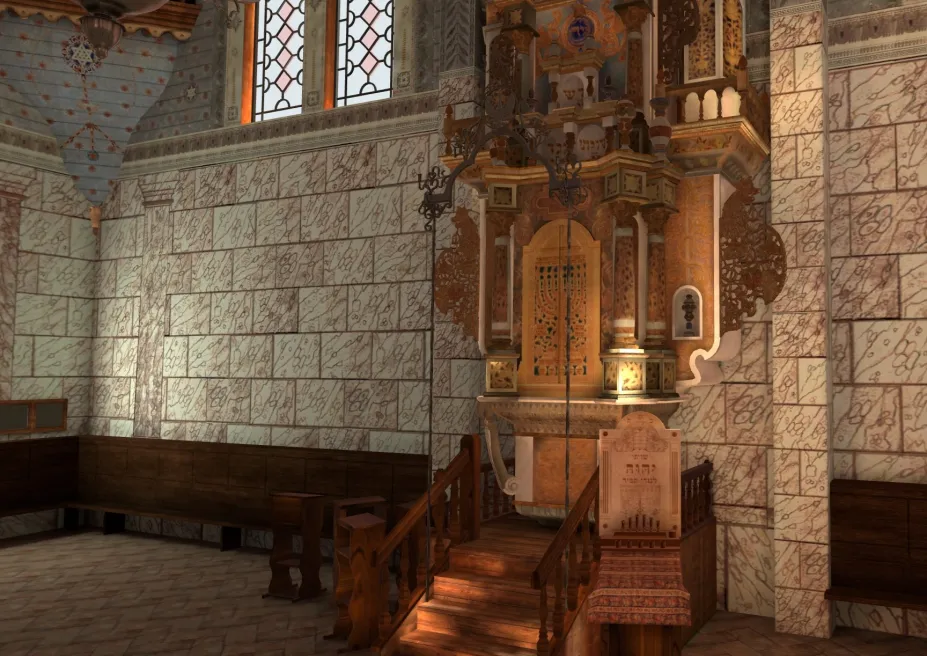
Each painting was carefully recreated by hand, reproducing the original naive style, as Eastern European synagogues were often decorated by non-professional artists. The paintings were then digitized and integrated into the 3D environment.
In the 1920s, the synagogue underwent a significant renovation that transformed its interior. Two distinct versions were therefore reconstructed, making it possible to trace how the space changed over the years, reflecting the evolving times and the development of a local community.
Inside the Virtual Experience
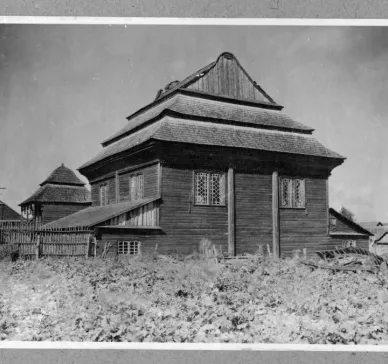
Wolpa synagogue
Institute of Art, Polish Academy of Science
VR reconstruction of the Wolpa Great Synagogue
Belarusian-Jewish Cultural Heritage Center
Free EXPLORATION Mode
Move through the synagogue at your own pace, exploring its architecture, decorative details, and reconstructed paintings. A magnifying tool allows individual artworks to be examined up close, while the interior can be viewed before and after the renovation. The experience also includes a 360° view of the present-day site where the Wolpa synagogue once stood.
Guided Tour
Follow a curated route introducing the synagogue’s history, architecture, and significance, with detailed explanations of the meaning of its various elements. The accompanying audio guide is available in English, Russian, and French.