2026 bjch center
A Music Album Yiddish Verses
Image
ABOUT THE PROJECT
RELEASED
30/05/2025
In the 1920s and 1930s, Yiddish was one of the official languages in Belarus, alongside Belarusian, Polish, and Russian. Like Belarusian, it was the language of the tuteishyya, the locals, expressing not political authority but rootedness, a sense of belonging. It was also a living language of poets and writers. For Yiddish poets, Belarus was not just a setting but a subject, a homeland, a cultural lens. They wrote about it, within it, and for it. Today, this vibrant layer of Belarus’s multilingual heritage is largely forgotten.
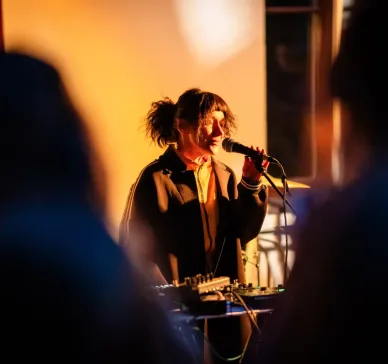
Yiddish Veršes brings this legacy into the present through a music album based on Yiddish poetry from the first half of the twentieth century. Seven contemporary Belarusian artists transform these long-sidelined texts into original compositions across genres — from dreamy dub and electronic to art rock and rap.
* The title Yiddish Veršes deliberately uses the letter "š" — a visual and phonetic reference to the Belarusian Latin script, emphasizing the connection of these Jewish poets to the region where they were born, lived, and created.
“The fate of Belarusian Yiddish literature is such that the Soviets destroyed the writers, and the Nazis — the readers. Can Belarusians become the heirs of that literature?”
THE POETS
The album features compositions based on works by Leyb Naydus, Moyshe Kulbak, Izi Kharyk, and Avrom Reyzen.
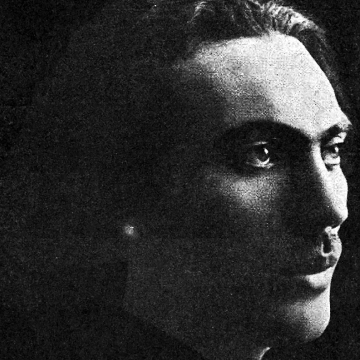
Leyb Naydus | Hrodna, 1890–1918
One of the pioneers of modern Yiddish poetry in Belarus. Influenced by European aesthetics and modernism, he brought a cosmopolitan vision to Yiddish literature and became popular among Jewish youth.
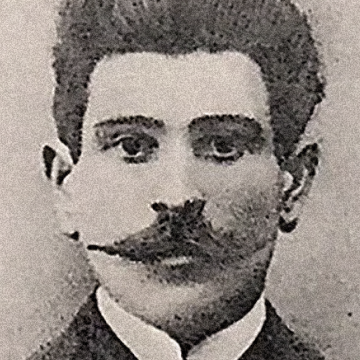
Avrom Reyzen | Koidanova / Dziarzhynsk, 1876–1953
A poet of the Jewish labor movement. He emigrated to the United States, though his work also appeared in Soviet publications.
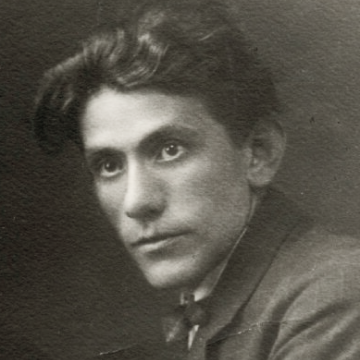
Moyshe Kulbak | Smarhon, 1896–1937
The most celebrated Yiddish poet of his time, known for blending folklore, mysticism, and modernist form. He was executed during the Soviet purges in 1937.
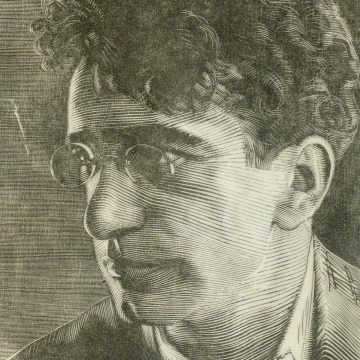
Izi Kharyk | Zembin, 1898–1937
A widely published proletarian poet and major figure of Soviet Yiddish literature. He was executed during the Soviet purges in 1937.
“While prose dominated Ukrainian Jewish literature, poetry occupied an important — perhaps even central — place in Belarusian Yiddish literature.”
ALBUM PREVIEW
KOOB & Thomas Varrall — Leib Najdus
Based on Leyb Naydus’s poem I Drink The Nectar Of The Sun With My Heart
Lightowy — Niemata
Based on Moyshe Kulbak’s poem Silence
Palina — Maladym
Based on Izi Kharyk’s poem Don’t Live in Despair
Anastasia Rydlevskaya — Howl
Based on Avrom Reyzen’s poem Howl, Howl, Raging Winds
Syndrom Samazvanca — Viecier
Based on Izi Kharyk’s poem Wet, Lost Wind
Tok Rukoo — Sérénade Mélancolique
Based on Leyb Naydus’s poem Sérénade Mélancolique
WTBSK — Heler Papir (Light Paper)
Based on Moyshe Kulbak’s poem Song of the Beggar (3)
ALBUM and ARTISTS
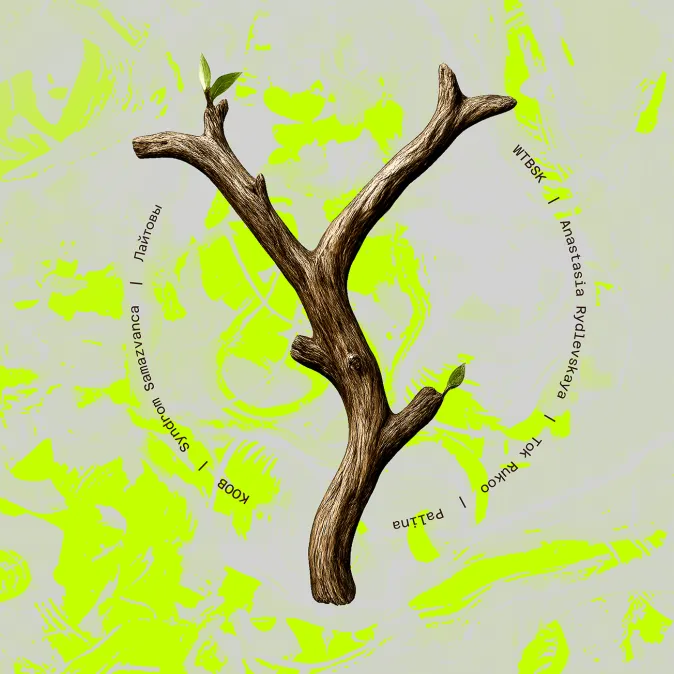
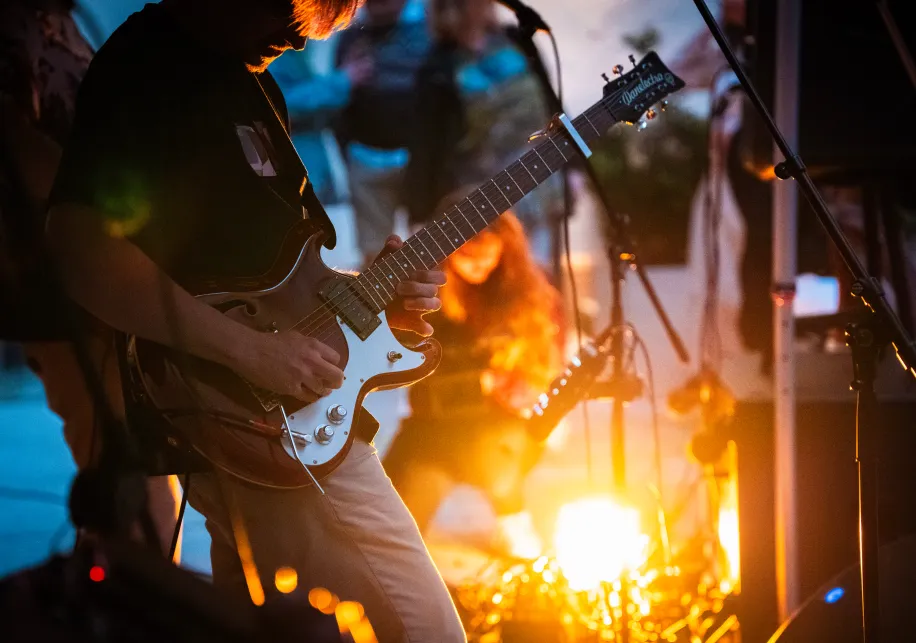
The project brought together seven Belarusian artists: Palina, Tok Rukoo, KOOB, WTBSK, Syndrom Samazvanca, Lightowy, and Anastasia Rydlevskaya.
From a selection prepared by the project’s experts and curators, the artists chose the poems that resonated with them and reimagined them freely in their own musical language. In the process, several described how texts that had initially felt distant gradually became personal.
The artists also documented their creative process through video diaries, which formed the basis of the dedicated Instagram visual campaign.
Image
TRACK SNIPPETS
"Yiddish Veršes is not an attempt to reconstruct the past, but a way to weave it into the present — an organic continuation of a legacy that is now growing new shoots."
PROJECT TEAM
Producer and Curator: Maya Katznelson
Music Curator: Aliaksandr Karnejchuk
Expert Advisors: Professor Mikhail Krutikov, Siarhei Shupa
Mastering: Uladzimir Patapenka
Visual Identity: Vladimir Gorz
Release Strategy and Communications: Ilia Vorobey, Viktoria Fedorova
PPROJECT OORGANIZERS
Belarusian-Jewish Cultural Heritage Center
Radio Plato
Image